

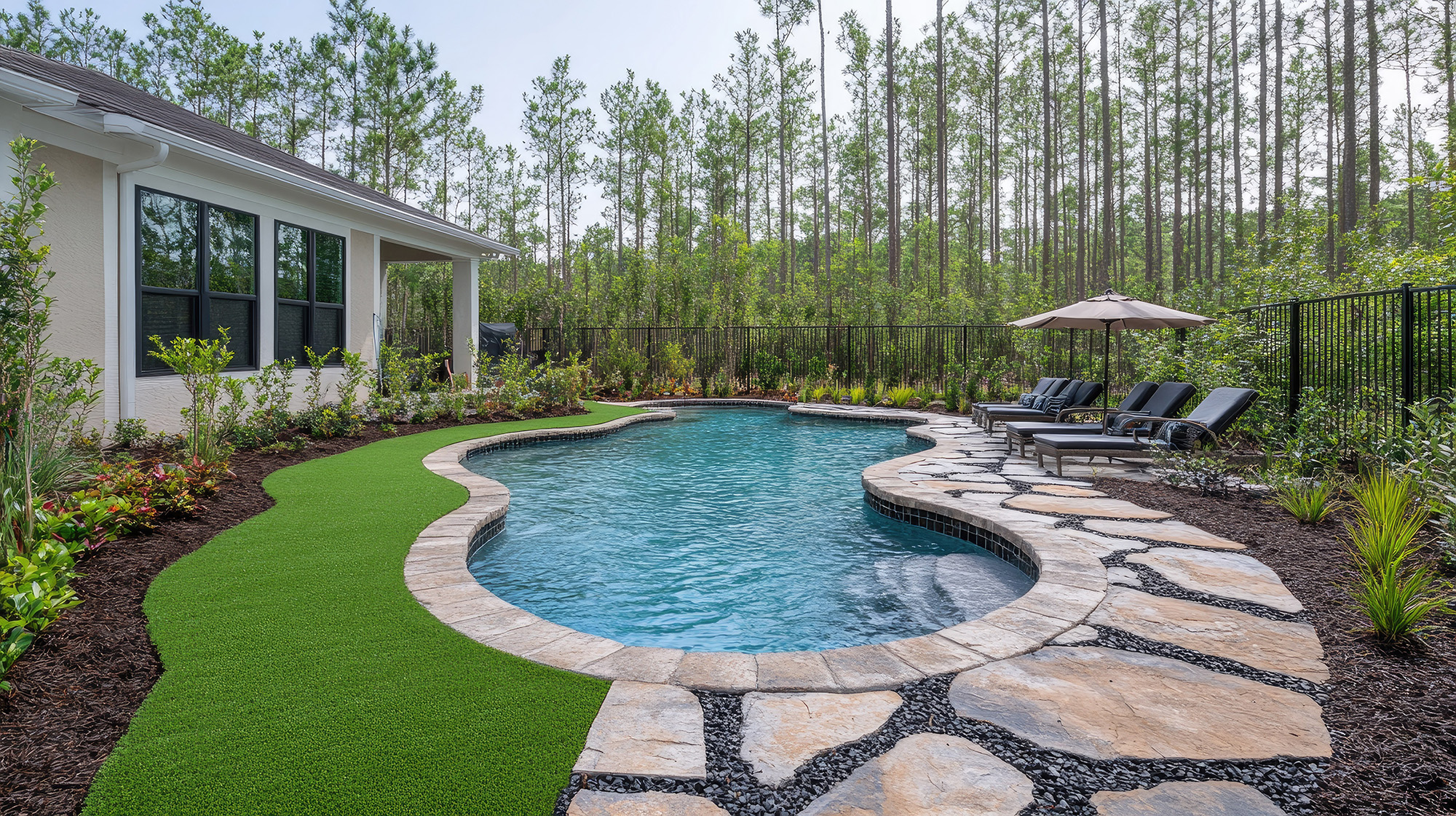
Improving your outdoor space can be as simple as refreshing a garden bed or as involved as building a patio, retaining wall, or complete outdoor living area. Some landscaping projects are manageable for a confident homeowner, while others require specialized equipment, careful planning, and professional expertise.
Knowing when to do the work yourself and when to hire a professional can help you control costs, avoid unnecessary repairs, and get better results. The key is to assess the project's complexity, the condition of your property, and the skills required before getting started.
Which Landscaping Projects Are Suitable for DIY?
Many smaller landscaping tasks are reasonable do-it-yourself projects. Planting flowers, spreading mulch, refreshing garden beds, adding container plants, and maintaining existing shrubs can often be handled with basic tools and some preparation.
These projects are easier to manage when the ground is relatively level and there are no significant drainage or access concerns. Starting small can also help you understand how your yard responds to sunlight, rainfall, and seasonal changes.
Low maintenance landscaping is worth considering if you want an attractive outdoor area without constant upkeep. Choosing plants suited to the local climate, grouping plants with similar watering needs, and using mulch appropriately can reduce ongoing work.
Even straightforward projects benefit from planning. Check mature plant sizes, spacing, sunlight exposure, and maintenance requirements before purchasing materials.
When Hardscape Design Needs Professional Input
Hardscaping involves the nonliving elements of an outdoor space, such as patios, walkways, steps, retaining walls, and certain outdoor seating areas. These features must be designed to suit the property, not simply placed where they look attractive.
Professional hardscape design becomes particularly valuable when a project involves slopes, drainage challenges, retaining structures, complicated layouts, or connections to existing buildings. A poorly planned design can create water problems, uneven surfaces, or difficult transitions between areas.
A professional can assess how people will move through the space, how the hardscape relates to the house, and which materials suit the site's conditions. This planning can help the finished area feel cohesive while addressing practical concerns.
Hardscape Installation Is About More Than Appearance
Patios and walkways depend on proper excavation, base preparation, grading, and material placement. If these steps are not completed correctly, the finished surface may settle, shift, or collect water.
Retaining walls can require additional engineering or drainage measures depending on their height, loads, and location. Work near utilities or property boundaries may also require permits or professional assessments.
Before starting a substantial hardscape installation, check local requirements and identify underground utilities. Do not assume that a project is safe to build simply because the proposed structure looks straightforward.
Hiring a qualified professional for complex work can help reduce the risk of expensive corrections later. You may still be able to handle complementary tasks, such as planting around a completed patio, once the structural work is finished.
Consider Climate and Drainage Before Choosing Materials
Outdoor surfaces must withstand the conditions they will face throughout the year. In northern Michigan, freeze-thaw cycles, snow, and changing moisture conditions can place extra demands on patios, paths, steps, and retaining structures.
Material selection and proper installation are particularly important in these conditions. Suitable base preparation, drainage, and materials designed for the intended use can help reduce movement and premature wear.
Drainage deserves attention even on smaller projects. Water should move away from buildings and should not be directed onto neighboring properties. If your yard has persistent standing water, erosion, or a noticeable slope, seek professional advice before making major changes.
Use Landscaping Trends as Inspiration, Not a Blueprint
Hardscape trends 2027 may inspire ideas for outdoor entertaining areas, natural-looking materials, defined pathways, and planting schemes designed to reduce maintenance. However, the best outdoor design is one that suits your property and the way you use it.
Think about how you want to spend time outside. You might need a level seating area, a clear route to the entrance, space for gardening, or a layout that is easier to maintain. The design should respond to those priorities rather than copying a trend that does not fit your site.
Decide When to Bring in a Professional
DIY landscaping can be rewarding for smaller, manageable tasks, while complex hardscape design and hardscape installation often benefit from professional assessment. Consider the risks, tools, time, and technical knowledge involved before committing to a project.
Fraco can help you explore suitable options for your home improvement plans. If you are considering a project in Marquette, and Harvey, MI, visit our showroom to discuss available flooring and interior materials that may complement your renovation plans. Contact us today to talk through your project requirements and determine the right next steps for creating a practical, attractive space around your home.


